MindBlaze
30 October 2026

Salesforce delivery, AI agents and living documentation. What MindBlaze has built.

Four slides on systems that exist today: what each does and where it runs. The screenshots are from the live applications.

Prepared for
Jordan Crist
nathab.com
Presented by
Naresh Kumar
MindBlaze · mindblaze.ai
Contents
  1. What we run today
  2. Off The Beaten Path: planning workspace and agents
  3. LivingContext: documentation and metadata graph
  4. GTM agent, and a first step together
MindBlaze
1 · What we run today

Six systems, one Salesforce org at the centre

All of these were built for Off The Beaten Path, a custom adventure travel company in Bozeman, Montana, whose org holds Trips, Departures, Segments, Reservations, Vendors and Experiences as custom objects. Four are in use by their staff and guests. Two are our own products that grew out of that work.

SystemWhat it doesRuns onStatus
Guest portalGuests sign in to see trips, bookings and documents, complete traveller forms, and pay invoices. Braintree checkout with vaulted cards, Apple Pay and PayPal. Payment requests sent from Salesforce as one-time links. QuickBooks invoice schedules read live from Salesforce.Vercel, Neon Postgres, Salesforce RESTProduction
Sync engineTwo-way Salesforce ⇄ Postgres sync every minute: Account, Contact, Opportunity, Trip, Departure, Segment, Booking, Order, Payment, Payment Request. Field-level ownership rules, retries with a dead-letter queue, reconciliation and an audit log, with a UI for configuration.Fly.io (prod and QA), NeonProduction
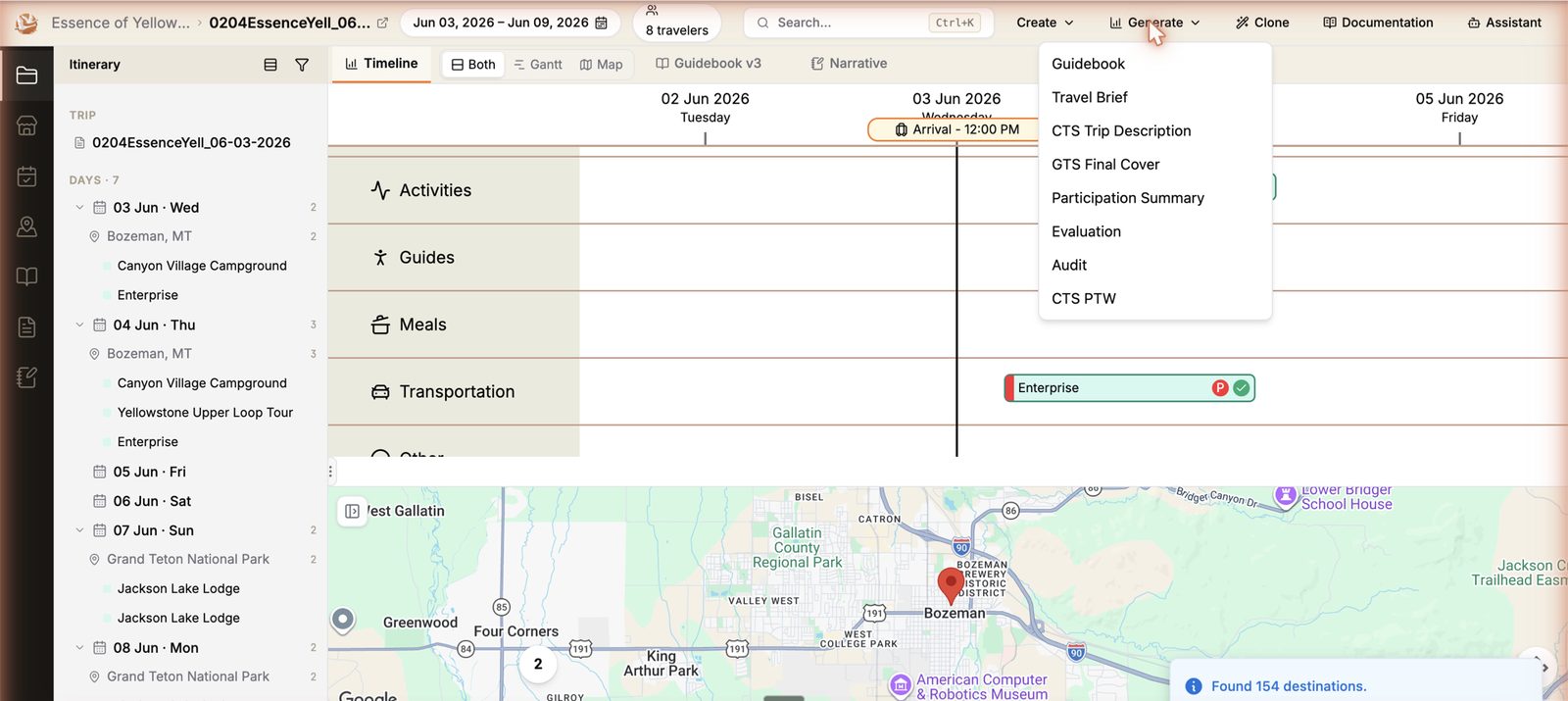
Planning workspaceA timeline-and-map view of a departure where every row is a Salesforce object. Generates the Guidebook, Travel Brief and other trip documents as .docx from Salesforce data. Publishes a proposal page the guest can open by link.Vercel, Salesforce Apex RESTStaff use
AgentsFive agents in one Python service: operations, planner, narrative, trip concierge, memory. 42 Salesforce tools; the 11 that create or update records pause for approval in the chat. 19 skills, including reservation and segment creation, narrative writing and client memory.Fly.io, Agno AgentOS, GeminiStaff use, concierge in pilot
LivingContextDocumentation and metadata graph for Salesforce teams. Docs live as markdown in the customer’s git repo; agent changes arrive as change requests. Our product, used for OBP’s own documentation and a 19-chapter staff handbook.Cloudflare Workers, NeonOur product
GTM agentChat-driven sales agent: account research, collateral in Git, Salesforce records and tasks, email sequences through Instantly with approval before sending. Runs MindBlaze’s own outbound.Vercel, Supabase, ClerkInternal use
MindBlaze
2 · Off The Beaten Path: planning workspace and agents

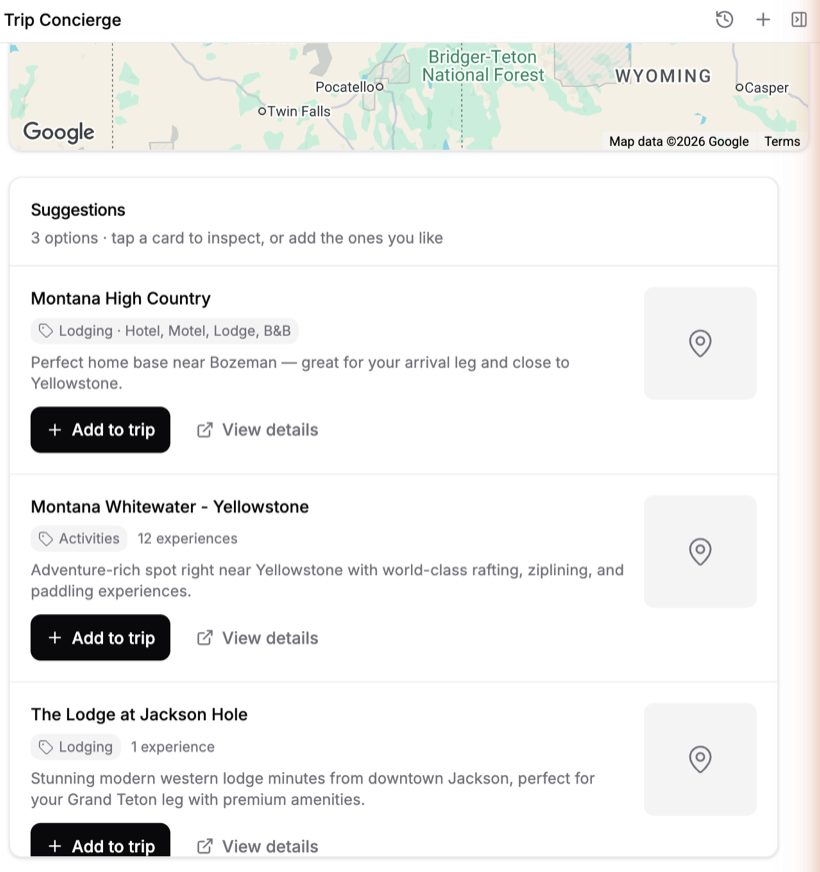
Planners build a departure in a workspace on top of the org. The agents work in the same place.

5
agents in one service
42
Salesforce tools
11
writes that need approval
19
skills
  • Trip concierge. Searches OBP’s own Accounts, Experiences and Destinations through a Typesense index, proposes segments and stays as cards, and on approval calls the same Apex endpoints staff use to create Segment and Reservation records. Live-tested on the departure “Essence of Yellowstone and Grand Teton”, 3 to 9 June 2026.
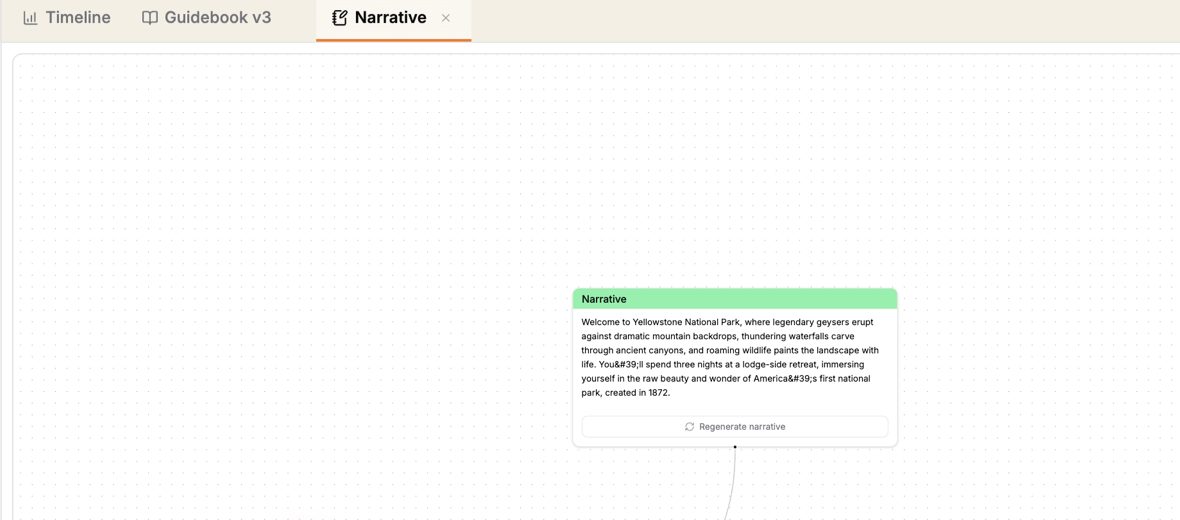
  • Narrative agent. Drafts segment narratives in the house style. The org holds about 23,000 staff-written segment narratives, which is the reference corpus.
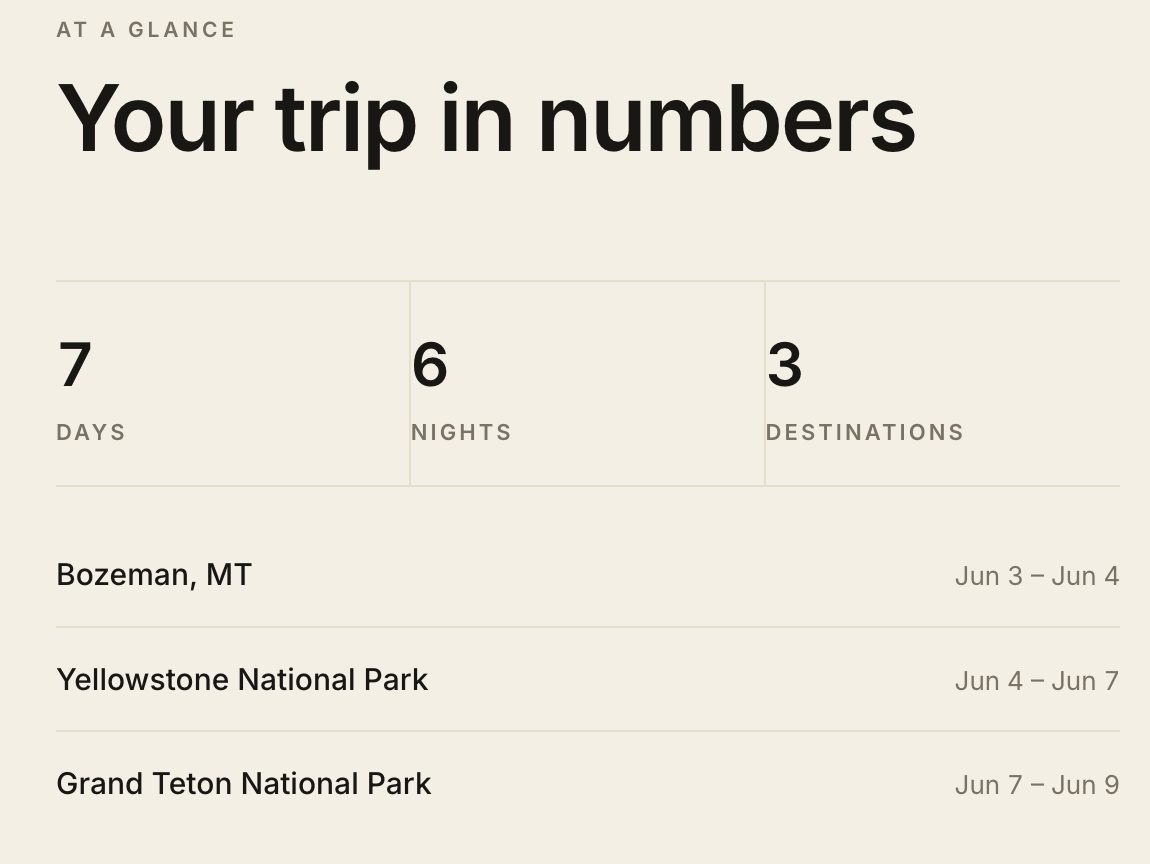
  • Documents. Guidebook v3 generates the .docx from Salesforce data, replacing a Conga template. The proposal lookbook is a snapshot in Postgres, served at a tokenised link with a 90-day expiry.
  • Approval. Each create or update tool is marked requires confirmation; the run pauses and the planner approves or rejects in the chat.
MindBlaze
3 · LivingContext: documentation and metadata graph

Documentation that lives in the customer’s git repo and is kept current from the org’s metadata.

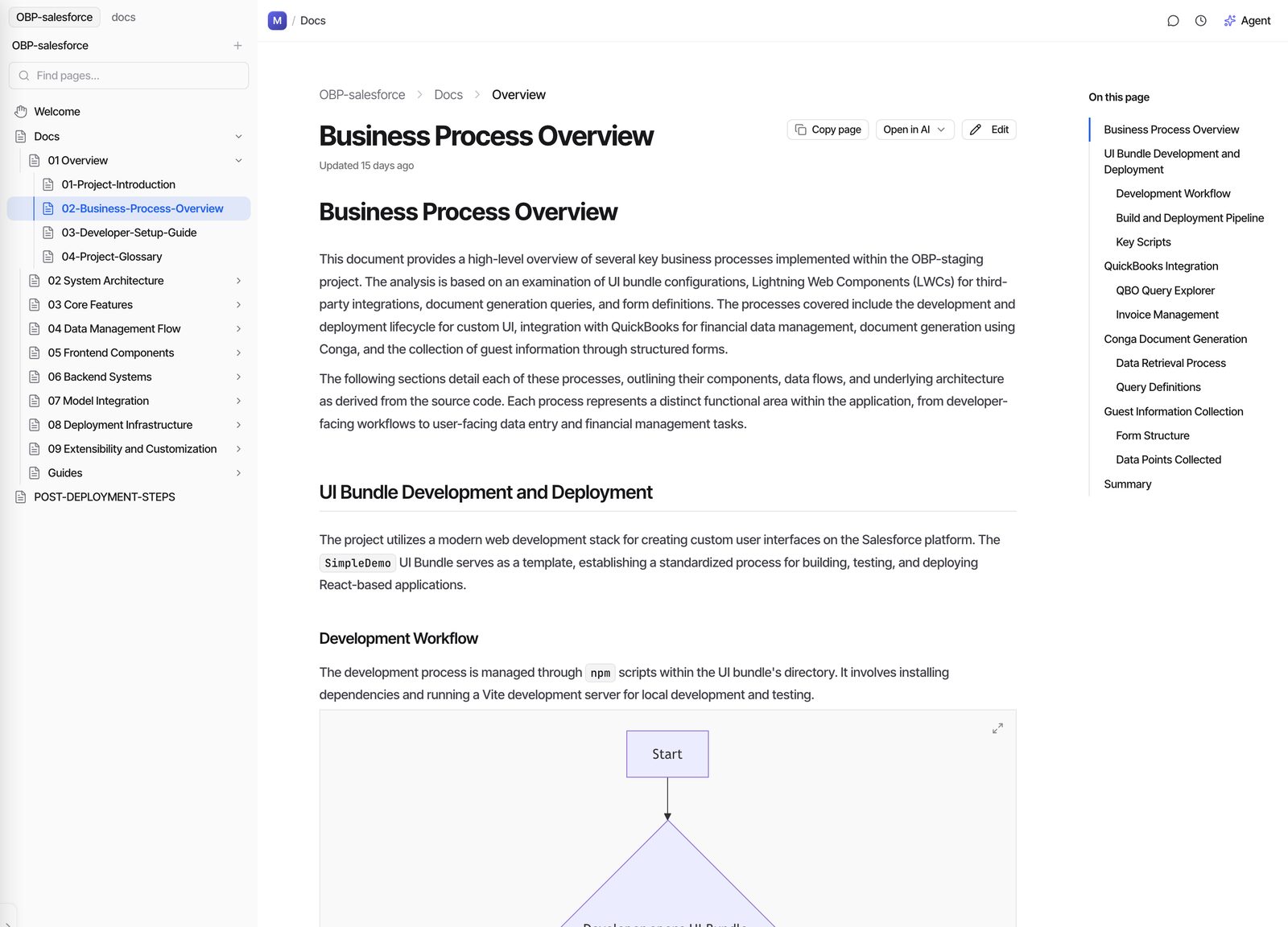
app.livingcontext.ai. Built for Salesforce teams who need to understand the org before changing a field, flow or report.

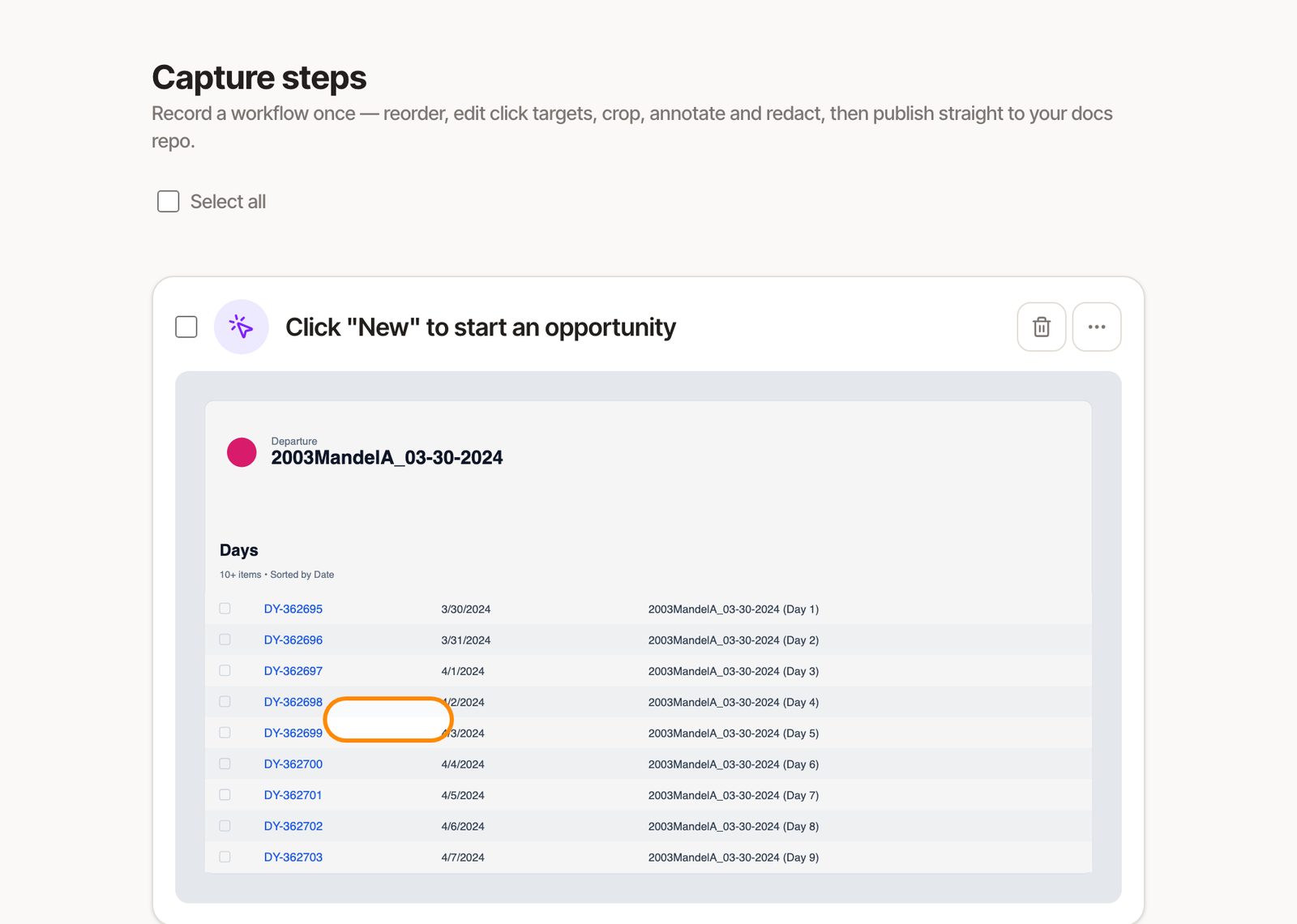
  • Sources. Salesforce metadata, GitHub or GitLab, Confluence, Salesforce Knowledge, and a browser extension that records a workflow as numbered steps with screenshots.
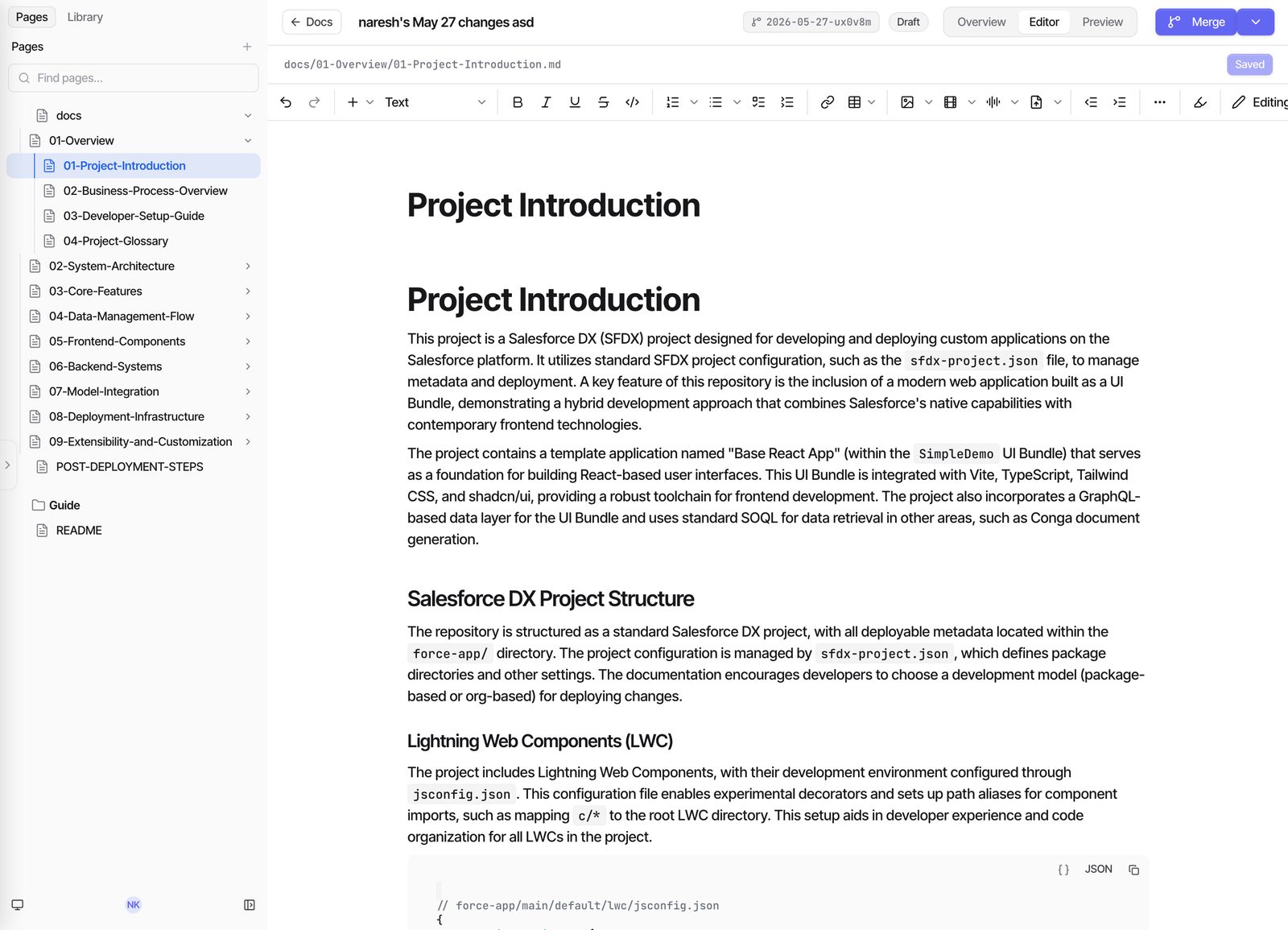
  • Docs. Markdown in the customer’s repository. The documentation agent drafts from linked metadata; its edits arrive as change requests that a person reviews and merges. Collaborative editing with Yjs.
  • Graph. Dependencies between fields, flows, Apex, reports and other components, each link backed by indexed source evidence. API Reference generated as OpenAPI from Apex REST classes and Named Credentials.
  • Access. An MCP server exposes the graph and docs to AI clients; a CLI for scripted use. Metadata only, no business records are indexed.
  • Stated limits. Coverage follows the saved metadata snapshot. A missing link does not prove a component is unused.
MindBlaze
4 · GTM agent, and a first step together

The GTM agent runs our own outbound. The same pattern applies to any repeated Salesforce work.

What it stores where

All written content, including skills, knowledge, memory, plays and one file per account, lives in a GitHub repository, so every change has an author, a diff and a revert. Every company and every logged touch is a Salesforce Account, Task or Event. Postgres holds only runs, approvals and caches, and can be dropped without losing anything.

Outreach

Email sequences run through Instantly: 18 operations, each switchable per organisation. Starting a campaign, replying and changing send settings require approval; an approved action executes exactly the reviewed input. Replies land in one inbox; human replies stop follow-ups; opt-outs and bounces go to a suppression list.

Contacts and calls

Phone numbers come from the linked Salesforce contact first, then an Apollo and LeadMagic enrichment waterfall. Logged calls create a Salesforce Task. Runs on Vercel with Clerk organisations as the tenant boundary. Deployed at gtm-dev.mindblaze.ai; internal use only so far.

01
Walkthrough on a sandbox
An hour through the OBP workspace, the concierge agent and LivingContext, on sandbox data, with questions as we go.
02
Read access to your org
We map the objects behind one workflow you repeat often, and write up what an agent would read and what it would be allowed to write.
03
A scoped first build
One workflow, behind an approval gate, with scope and price agreed in writing after step 02.

Naresh Kumar · naresh@mindblaze.ai · mindblaze.ai

1 / 5